
How Sustainable Home Choices Are Changing Modern Living
As sustainability becomes central to our daily lives, it is shaping how we design, build, and inhabit our homes. Forward-thinking homeowners are making eco-friendly decisions that enhance health and comfort, while also protecting the planet for future generations. For those looking to make impactful choices, starting with your home is both actionable and rewarding. The growing demand for energy-efficient residences can also be seen in places like Gainesville homes for sale, where eco-conscious features are at the forefront of modern living.
Embracing sustainability is more than adopting a trend. It is about investing in long-lasting solutions that optimize resource efficiency, reduce utility costs, and improve the living environment. Innovations in design and technology allow homeowners to reduce their carbon footprint and create healthier spaces. Modern sustainable homes offer benefits ranging from smarter energy use to thoughtful material selection, all of which are now cornerstones in quality housing.
This article explores the most important sustainable home choices and explains how they are transforming modern living for individuals and communities alike. Whether you are planning to renovate, buy, or simply update your living space, these insights can guide you toward an eco-friendly home.
The principles of sustainability are being incorporated at every level, from architectural design to daily lifestyle decisions. By integrating practical changes and new technologies, homeowners can enjoy immediate and long-term rewards. Below, we break down the leading trends and strategies shaping sustainable living spaces today.
Energy-Efficient Designs
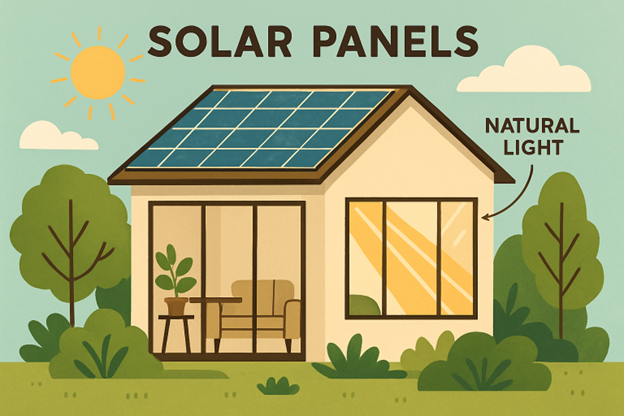
Energy efficiency is a defining feature of modern sustainable homes. Architectural choices like double-paned windows and advanced insulation reduce heat loss and keep interiors comfortable year-round. By strategically orienting homes to maximize natural light and heat, residents can minimize their reliance on artificial lighting and climate control systems. Installing solar panels enables homeowners to generate renewable energy, resulting in lower utility bills and a reduced carbon footprint.
Sustainable Materials
Choosing materials that are responsibly sourced or recycled is crucial for eco-friendly home construction. Options like reclaimed wood, bamboo flooring, and recycled metals combine style with sustainability. These materials create visually compelling spaces while also reducing environmental impact by using fewer new resources and often lasting longer. Durable choices mean fewer replacements and a lasting investment in your home’s future. Many architects recommend these materials for their strength, aesthetic, and positive impact on indoor air quality.
Smart Home Technology
Advanced smart home technology makes it easier to manage energy usage and improve comfort. Devices like smart thermostats, programmable lighting, and energy-monitoring appliances automatically adjust to save energy and fit residents’ routines. Using technology to optimize when and how systems run reduces unnecessary waste and saves money. Many homeowners also find that these solutions offer unparalleled convenience, enabling them to control their home with a phone or by voice command. Smart home upgrades are now both accessible and affordable, making them a key part of sustainable living.
Water Conservation
Reducing water consumption is essential in regions facing growing water scarcity. Simple installations, such as dual-flush toilets and low-flow showerheads, dramatically reduce household water use. Efficient irrigation systems target landscaping needs without the waste associated with older sprinklers. Rainwater harvesting, which collects and stores rain for gardens or non-potable uses, is another increasingly popular option. For more practical tips, check out the Highams, which promotes water-efficient products and practices. Conserving water not only protects local ecosystems but also lowers utility bills. By adopting these strategies, households can play a meaningful role in ensuring sustainable water resources for the future.
Eco-Friendly Interior Design
Interior design is having a sustainability revolution. The “slow decorating” movement prioritizes high-quality, long-lasting furnishings that will not go out of style quickly or end up in landfills. Upcycling and refurbishing old furniture brings charm, saves money, and greatly reduces waste. Integrating natural fibers and greenery into home décor improves air quality and creates a soothing atmosphere. Trends such as minimalism and biophilic design further reduce environmental impact while enhancing the comfort of living spaces.
Also Read: What Is a Filter Press and When Should You Rent One?
Community-Driven Sustainability
Sustainability is increasingly adopted on a larger, community-wide scale. Some neighborhoods, such as Bahnstadt in Heidelberg, Germany, are models of efficient urban planning and collective environmental action. Their buildings feature renewable energy, green roofs, and shared infrastructure that benefits all residents. These developments demonstrate that when communities collaborate, they can make significant positive change and encourage broader adoption of eco-friendly policies and technologies across cities and nations.
Economic Benefits
One of the strongest arguments for adopting sustainable home features is the clear financial advantage they offer. Energy-efficient appliances, advanced insulation, and durable materials reduce monthly utility and maintenance costs. Many green features qualify for rebates or tax incentives in various regions, providing immediate savings. In addition, homes with eco-certifications or recognized sustainable features are likely to command higher resale values, giving homeowners a tangible return on their eco-conscious investments.
Conclusion
Making sustainable home choices is a powerful way to support both personal well-being and the broader environment. With easy access to advanced technology and innovative materials, modern living spaces can meet eco-friendly standards without sacrificing comfort or style. Whether through adopting new energy systems, upgrading to smarter fixtures, or participating in sustainable communities, every step toward greener living contributes to a healthier planet and greater quality of life for all.