
How Digital Technology Is Transforming the Home Buying Process
The home-buying journey has undergone a significant transformation in recent years, thanks to advancements in digital technology. From virtual tours to AI-driven recommendations, these innovations have streamlined the process, making it more efficient and accessible for buyers and sellers alike. For instance, Boulder CO real estate agents The Bernardi Group The Bernardi Group, led by 40-year industry veteran Karen Bernardi, have embraced these digital tools to enhance their services. Recognized as the top-ranked real estate team in Colorado and #6 nationally, The Bernardi Group has helped thousands of clients buy and sell real estate across Boulder, Louisville, Longmont, Lafayette, Erie, and the surrounding areas.
Virtual Tours and 3D Walkthroughs
Gone are the days when prospective buyers had to visit multiple properties in person. Now, virtual tours and 3D walkthroughs allow individuals to explore homes from the comfort of their own space. This not only saves time but also broadens the range of available properties, enabling buyers to consider options they might otherwise have overlooked.
One of the key benefits of these digital tours is the opportunity to view multiple homes efficiently, at any time, and from any location. For out-of-town buyers or those with busy schedules, this technology provides unmatched convenience. Some platforms also offer immersive experiences with virtual reality (VR) headsets, allowing buyers to feel as though they’re walking through the home in person. Real estate photographers and videographers now use advanced equipment and drone technology to capture wide, detailed shots of interiors and surrounding landscapes, further elevating the virtual tour experience.
AI-Powered Property Recommendations
Artificial Intelligence (AI) has revolutionized property searches by analyzing user preferences and behaviors to suggest homes that align with individual needs. Platforms like Zillow utilize AI to provide personalized recommendations, enhancing the efficiency of the search process.
These intelligent algorithms take into account a user’s previous searches, favorite neighborhoods, budget range, and even subtle preferences such as architectural styles or the presence of certain amenities. As a result, users are quickly matched with suitable listings, reducing time spent sifting through unsuitable properties. AI can also predict pricing trends and identify up-and-coming neighborhoods by combing through vast databases of real estate information, helping buyers make more strategic decisions.
Digital Mortgage Processes
The mortgage application process has become more streamlined with the advent of digital platforms. Online applications, electronic document submissions, and even e-closings have reduced the time and paperwork traditionally associated with securing a mortgage. This digital shift has made home financing more accessible and less cumbersome for buyers.
Many lenders now offer online pre-qualification and pre-approval tools, often providing instant feedback. Financial institutions employ analytics and secure portals to assess a buyer’s creditworthiness without unnecessary delays. Additionally, some platforms offer live chat with mortgage advisors and real-time application status updates, which improve transparency and ease borrower anxiety.
Blockchain and Secure Transactions
Blockchain technology is enhancing the security and transparency of real estate transactions. By providing a decentralized, tamper-proof ledger, blockchain ensures that all parties have access to accurate, unalterable records, reducing the risk of fraud and errors in the buying process.
Smart contracts, a core aspect of blockchain, are digital agreements that automatically validate and complete sales when all conditions are met. This automation reduces the need for intermediaries and lessens costs, while ensuring each step of the transaction is meticulously documented and protected from tampering. As more agencies and governments experiment with blockchain registries, the potential for secure, paperless real estate closings becomes increasingly achievable.
Smart Home Technology Integration
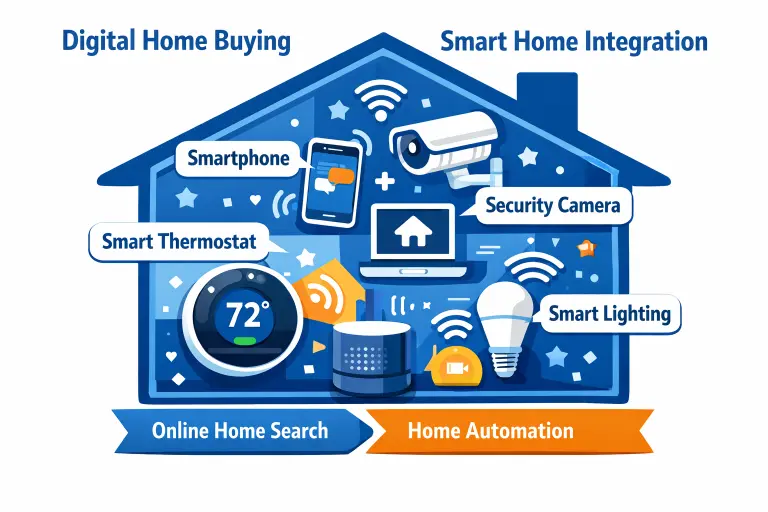
Modern buyers are increasingly interested in homes equipped with smart technology. Features such as automated lighting, security systems, and energy management not only offer convenience but also improve energy efficiency and reduce costs. The integration of these technologies can significantly influence purchasing decisions.
Many new developments are planned with integrated smart home systems as a standard, appealing to tech-savvy buyers. These systems can be managed remotely, from a smartphone or tablet, by adjusting the thermostat, checking security cameras, or even answering the door. For sellers, incorporating smart features is a value-adding upgrade, making their property more competitive in an evolving market.
Data Analytics and Market Insights
Access to real-time data and analytics empowers buyers and sellers to make informed decisions. Market trends, neighborhood statistics, and property value forecasts are readily available through various platforms, providing a comprehensive understanding of the real estate landscape.
Buyers can compare price histories, local school ratings, crime indexes, commute times, and walkability scores. Sellers, on the other hand, analyze buyer demand, optimal listing times, and comparable sales to set competitive prices. Real estate professionals leverage data dashboards to offer targeted advice and negotiate more effectively. Sophisticated predictive analytics tools forecast where values may spike or cool off, allowing all parties to strategize with greater accuracy.
Agent-Buyer Communication
Beyond property searches and transactions, digital technology is also reshaping how buyers and real estate professionals interact. Mobile apps and secure messaging platforms create seamless communication, allowing agents to respond promptly to questions or schedule showings. Cloud-based document management enables contract revisions and approvals in real time, even if the parties are miles apart. Video conferencing platforms have made remote consultations and negotiations more routine, ensuring that essential face-to-face interactions continue in a flexible, virtual format. All these tools foster greater connection, timely updates, and trust between clients and agents, regardless of location.
Also Read: NHentai.nef: Safe Guide to the Popular Hentai Archive
Augmented Reality and Visualization Tools
Augmented Reality (AR) is changing the way buyers envision themselves in a potential home. Home staging, once a costly and logistical challenge, can now be accomplished virtually. Using AR apps, buyers can place digital furniture, paint walls, or remodel spaces right from their phones or tablets, helping them better assess a home’s potential before making an offer. These visualization tools help narrow choices and increase confidence, especially for buyers purchasing from a distance or investing in new construction. Developers and agents who harness AR are providing a richer client experience and differentiating their listings in crowded markets.
Conclusion
The integration of digital technology into the home-buying process has undeniably transformed the industry. As these technologies continue to evolve, they promise to enhance further the efficiency, security, and personalization of buying and selling homes, benefiting all parties involved.
Looking ahead, future advancements may include even more immersive VR home experiences, expanded blockchain adoption, AI-driven forecasting models, and deeper integration of smart home ecosystems. For both buyers and sellers, staying informed about these trends, paired with the expertise of knowledgeable real estate agents, will ensure a smoother, smarter journey to home ownership in the digital age.